September 5, 2026
A well-lit room feels larger, more welcoming, and undeniably more vibrant. While traditional vertical windows do an excellent job of bringing sunshine indoors, they are frequently limited by the direction they face, proximity to neighboring houses, and the presence of shade trees in your yard. If you are looking to elevate your indoor environment, adding skylights might be the perfect architectural solution for your residence. Before you decide to cut a hole in your ceiling, it is essential to understand the mechanics and design principles of these rooftop features.
You might be asking yourself if installing skylights is a sensible investment for your property. This comprehensive guide explores everything you should meticulously evaluate before taking the plunge. We will cover a wide array of crucial topics, ranging from energy efficiency metrics to selecting the ideal placement on your roof for maximum aesthetic impact. By the end of this article, you will be well-equipped with the knowledge necessary to make an informed decision about upgrading your home's natural illumination.
Why Should You Consider Natural Light?
The innate human desire for natural illumination goes beyond basic interior design trends. Human beings are biologically wired to respond to the daily cycle of the sun. Consistent exposure to natural sunshine helps regulate our circadian rhythms, which dictate our sleep-wake cycles, hormone release, and overall daily mood. Homes that rely heavily on artificial fluorescent bulbs can sometimes feel stark or cavernous, leading to a sense of lethargy. By inviting the sun directly into your living areas from above, you dramatically alter the ambiance and atmosphere of your interior environment.
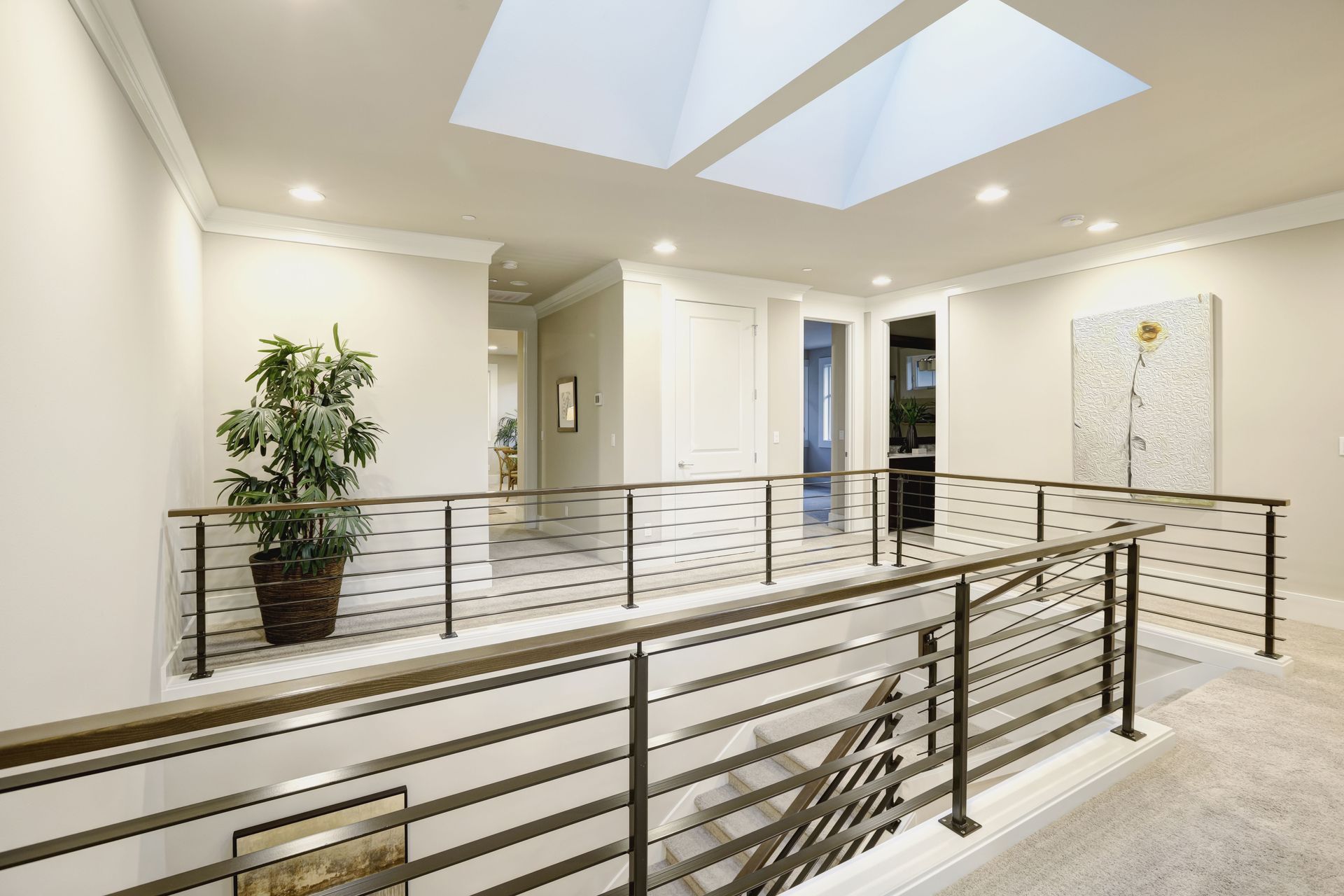
Furthermore, from a design perspective, overhead illumination washes your interior walls with a beautifully balanced glow that side-facing window glass simply cannot replicate. Because the light originates from the highest zenith of the room, it reduces unflattering shadows and brilliantly highlights your custom architectural details and cherished artwork. A room bathed in natural overhead sunshine instantly feels more expansive and luxurious. Whether you are reading a book in your living room, preparing a meal in the kitchen, or relaxing in a master bathroom, the baseline ambiance is undeniably enhanced by the presence of a ceiling aperture.
What Are the Core Benefits to Your Home?
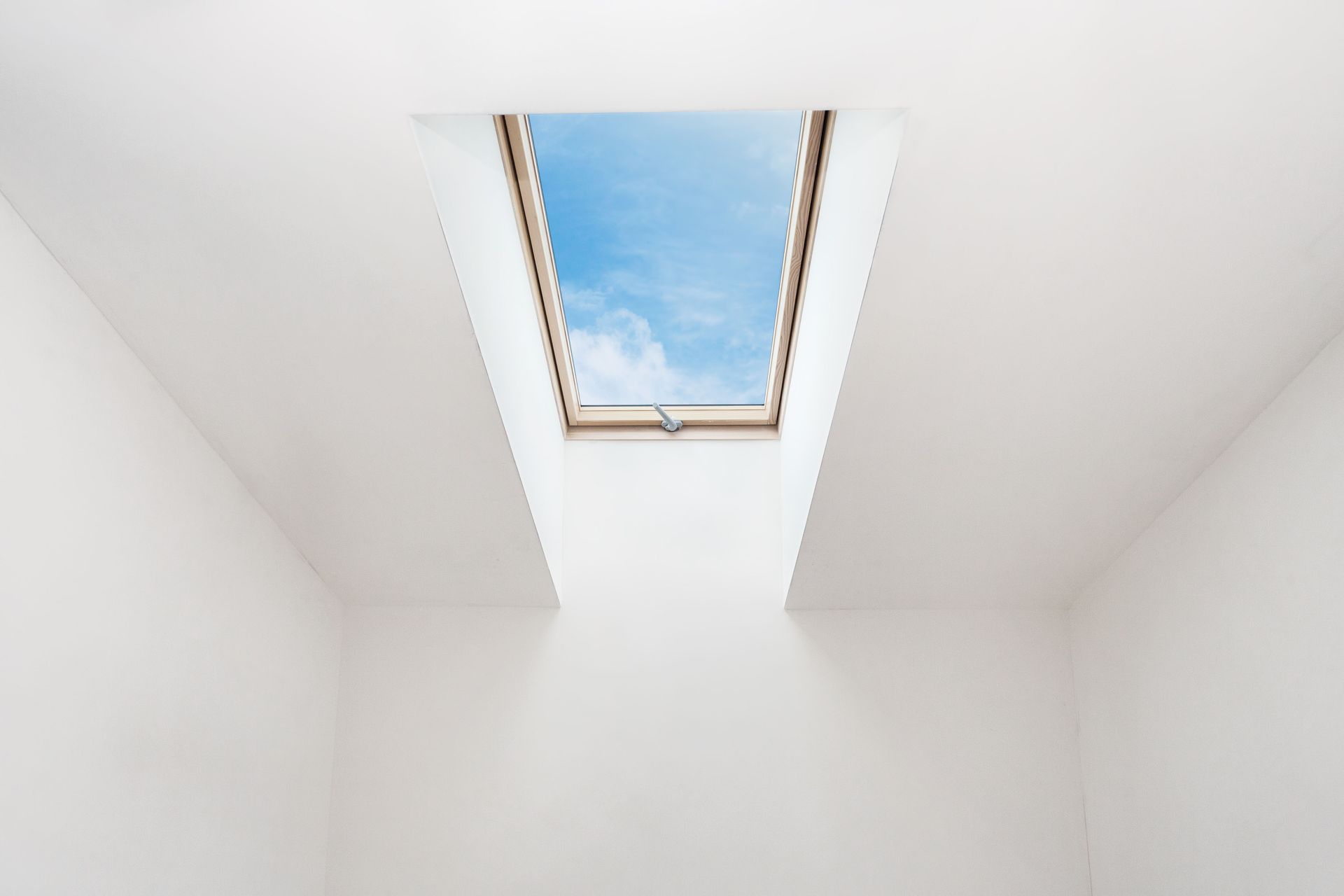
Beyond the psychological and aesthetic advantages, installing high-quality skylights provides tangible, practical benefits for your property's overall functionality. One of the primary advantages is substantially improved indoor ventilation. If you opt for a modern venting model, you have the ability to open the fixture remotely to allow hot, stale air to rapidly escape from the highest point in your room. This upward chimney effect pulls fresh, cooler breezes in through your lower wall windows, successfully creating a natural cross-breeze that can reduce your daily reliance on air conditioning during milder Texas months.
Long-term energy efficiency is another compelling financial advantage. By maximizing the entry of free daylight during afternoon hours, you actively decrease the constant daily need to switch on electrical fixtures. Over time, this reduction in electricity consumption can lower your monthly utility bills. Modern rooftop models are also manufactured with advanced glazing technologies. Dual-pane or triple-pane glass setups, frequently coated with invisible, low-emissivity (Low-E) metallic films, ensure that the sun's intense radiant heat is aggressively reflected away during the scorching summer months. Simultaneously, this technology ensures that your home's internal warmth is strictly retained during the bitter winter.
Additionally, privacy is a major concern for modern homeowners living in densely populated neighborhoods. You might want abundant sunshine in your private bathroom, but standard wall glass can expose your intimate spaces to passing neighbors. A roof-mounted fixture elegantly solves this dilemma. It provides exceptionally abundant illumination without ever compromising your strict personal seclusion, giving you the absolute best of both worlds.
How Do You Determine the Right Size?
One of the most critical decisions in this entire home improvement process is accurately determining the most appropriate dimensions for your new installation. It can be tempting for eager homeowners to choose the absolute largest pane of glass possible to maximize sunshine, but this aggressive approach can lead to unintended consequences like excessive solar heat gain or blinding glare. A carefully calculated, professionally advised approach is absolutely essential for achieving a physically comfortable indoor environment.
When considering the physical footprint of the unit, there are well-established industry standards that provide excellent guidance. According to the Department of Energy, a skylight's size should not exceed 5% of the room's floor area if there are many windows, or 15% if there are few. This widely accepted golden rule actively helps prevent your room from accidentally turning into an unlivable greenhouse while simultaneously ensuring that the targeted space reliably receives adequate, highly functional illumination.
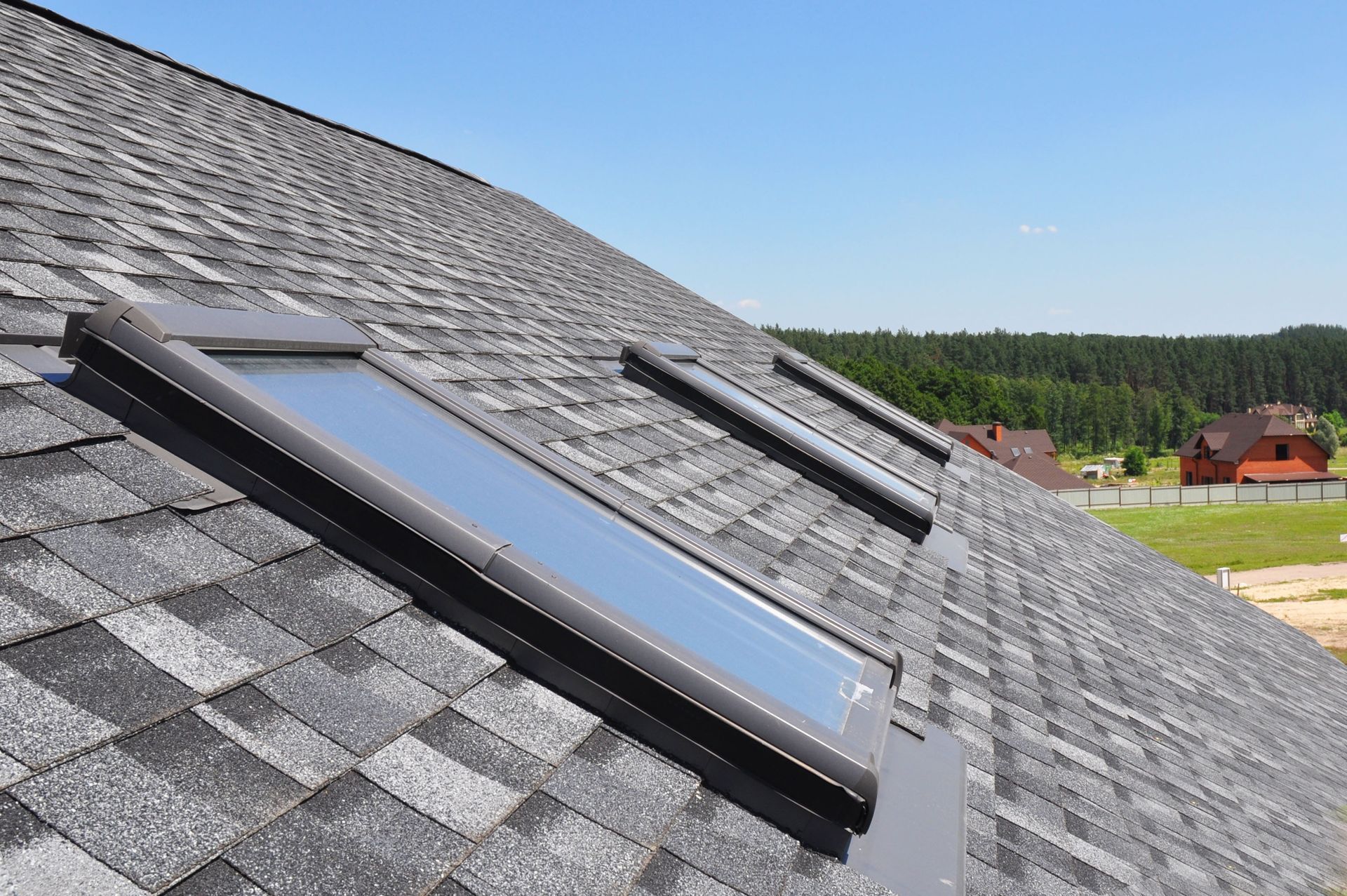
When evaluating these metrics, many homeowners wonder if multiple skylights are functionally better than a single, massive pane. In many architectural cases, distributing the glass area across two or three moderately sized units provides a vastly superior, diffused spread of light than one giant aperture. Furthermore, the internal shape of the fixture's drywalled shaft will heavily influence how the sunshine is ultimately distributed across your living space. Flared light shafts, for example, can mathematically spread incoming sun rays over a much broader area, maximizing the visual impact of a smaller, more affordable rooftop unit.
Where Is the Best Placement for Illumination?
The specific directional orientation of your roof plays a monumental role in exactly how your new roof windows will perform throughout the varying hours of the day and across shifting seasons. Strategic placement dictates not only the raw quantity of sunshine captured but also the distinct visual quality and thermal temperature of the light entering your home.
For instance, a north-facing placement reliably provides steady, cool, and perfectly even illumination throughout the entire day without actively contributing to unwanted solar heat gain. This unique physical trait makes it an undeniably excellent choice for dedicated home offices or any space where you require consistent, glare-free sunshine for visually detailed tasks. Conversely, an east-facing orientation perfectly captures the gentle, warming rays of the early morning sun, making it the preferred location for family kitchens and cozy breakfast nooks where you typically begin your daily routine.
South-facing orientations reliably offer the greatest potential for capturing winter solar heat gain. While this trait can be beneficial in colder climates, it absolutely requires meticulous consideration and specialized shading solutions in sun-drenched, warmer regions like Texas to prevent overheating. West-facing orientations inevitably capture the intense late-afternoon sun, which can frequently result in unwanted heat and frustrating glare during the hottest part of the summer day. Thoroughly discussing all orientation factors with your chosen installation professional is absolutely crucial for successfully achieving your desired results.
What Are the Common Maintenance Requirements?
To confidently ensure your financial investment continues to perform beautifully and efficiently for many years to come, a minimal but consistent maintenance routine is generally required. Fortunately, highly advanced manufacturing techniques have made modern skylights remarkably durable, weather-resistant, and incredibly easy to care for over their long lifespan.
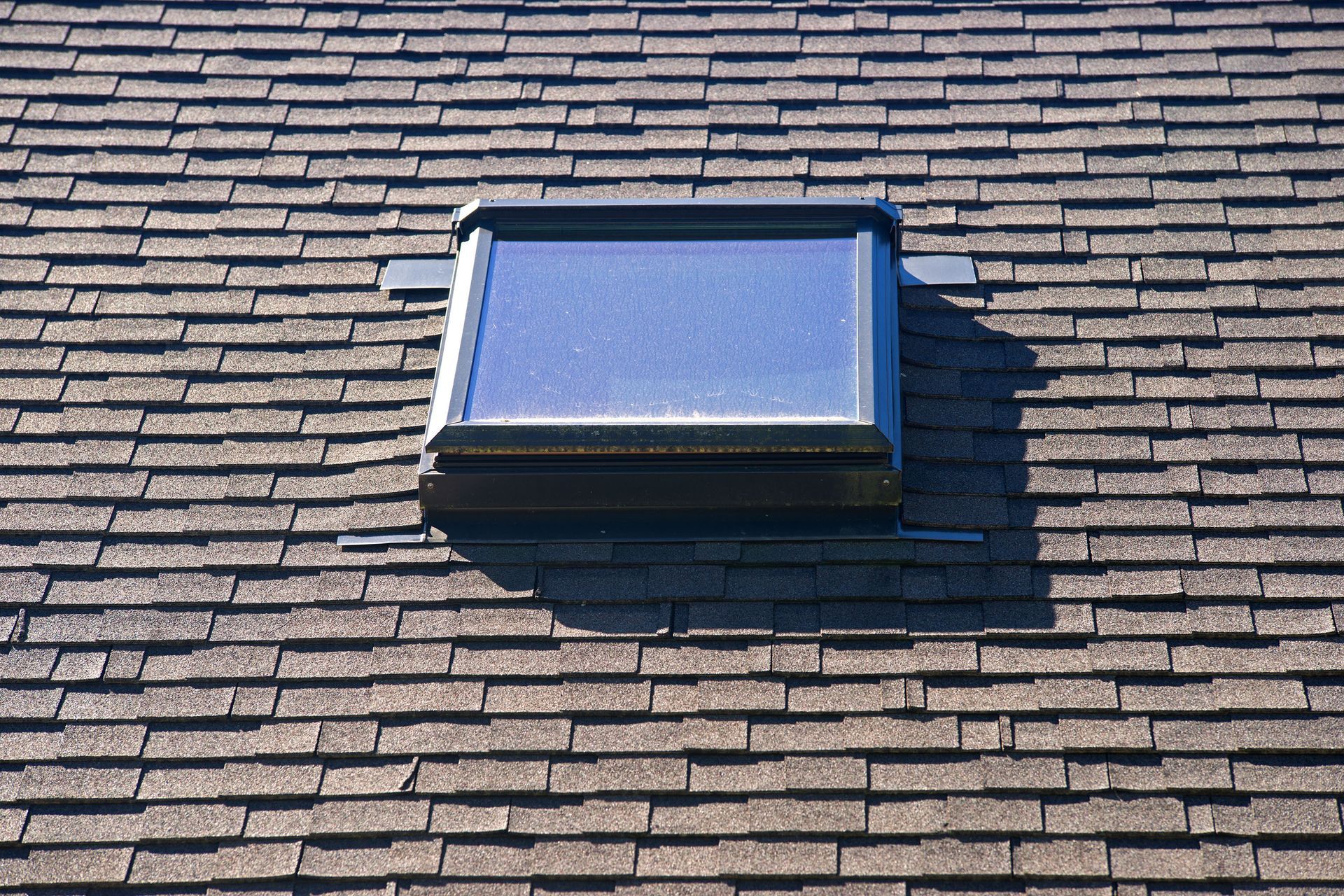
Routine cleaning of the exterior glass surface is usually the most expected task. Natural rainfall will frequently wash away superficial dust, but occasional manual cleaning with a mild soap solution might be necessary to keep the glass pristine. Many premium models exclusively feature a highly specialized "neat" glass coating. This brilliant technology utilizes the sun's natural UV rays to aggressively loosen stubborn dirt, perfectly allowing the next rainstorm to rinse it away effectively. Inside the home, simply dry-dusting the interior glass pane and visually checking the surrounding painted drywall for early signs of condensation is typically all that is actively required. Regular, yearly visual inspections of the exterior metal flashing by a roofing professional will ensure that the vital weatherproofing remains completely intact.
If you are actively considering making these beautiful upgrades to your residence, the dedicated team at Skylights Over Texas is fully here to professionally help you navigate every single step of the process. Our extensive industry expertise ensures a perfectly flawless, watertight installation and many long years of reliable performance. Contact us today to rapidly schedule a personalized home consultation and beautifully bring the majestic beauty of the bright Texas sky indoors.