November 2, 2026
Skylight replacement service can significantly alter the ambiance and energy efficiency of your home. It is a decision that involves various factors to ensure the new installation meets both your aesthetic and functional needs. This article outlines the essential considerations to keep in mind during this renovation process. With advances in technology and materials, newer skylights can offer impressive features that enhance comfort and value. Understanding these can guide you in making a wise investment in your home.
Evaluate Your Existing Skylight
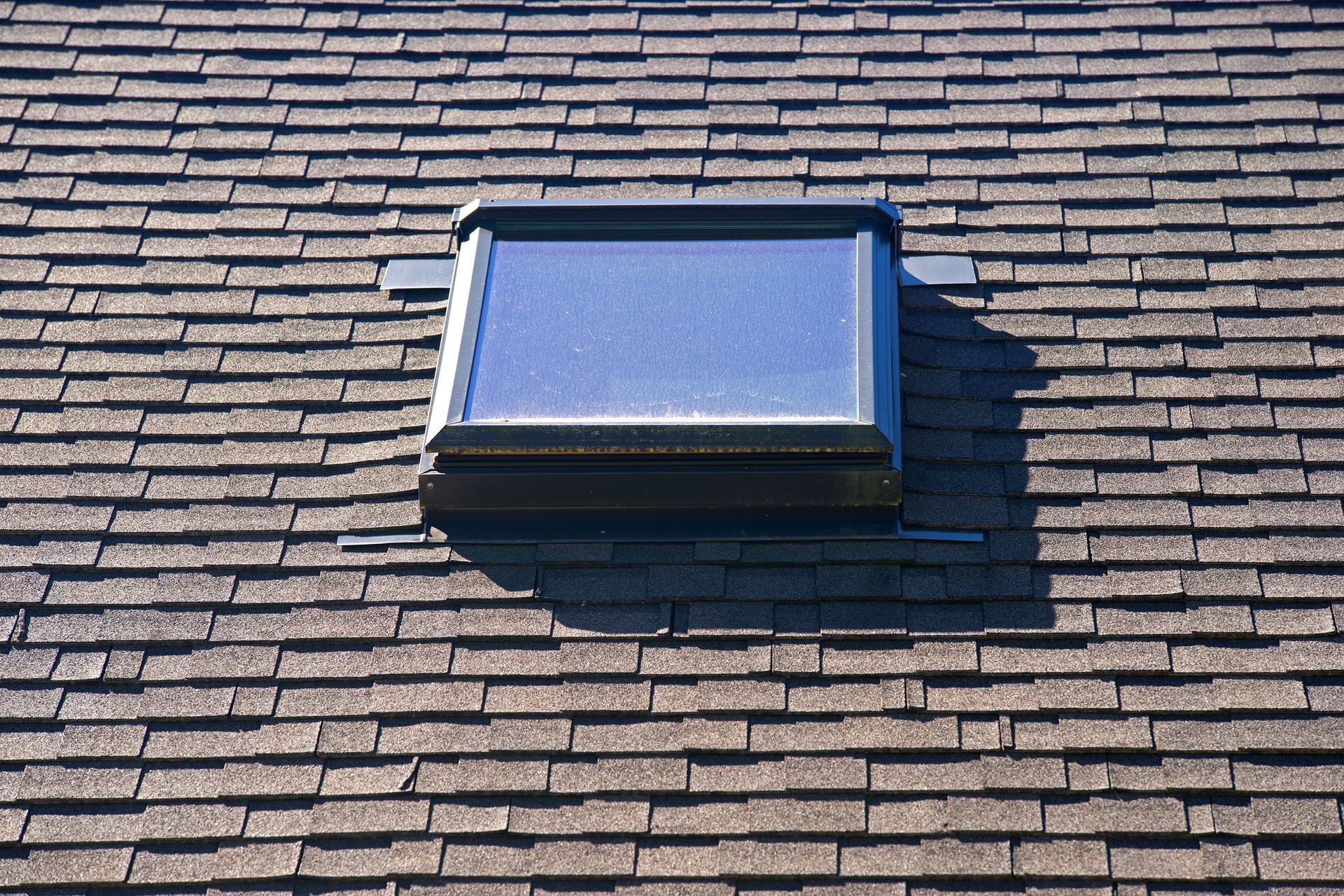
The first step in a skylight replacement service is to thoroughly assess the current condition. Check for any visible damage, such as cracks in the glass or frame. Leaks are a common issue that indicates the skylight may not be sealed properly. Look for signs of water damage on the ceiling or walls beneath the skylight. According to Today's Homeowner, skylights that are 15 to 20 years old typically need replacing due to declining performance.
Assessing the energy efficiency of your existing skylight can provide insight into potential benefits of a replacement. Older skylights may not have energy-efficient materials or coatings, leading to heat loss in winter and excessive heat gain in summer. Evaluate the need for improved thermal control and consider the inherent weaknesses of your skylight in terms of insulation. Newer models offer great advancements in glazing technology to reduce energy loss. By understanding these factors, you can make an informed choice on whether an upgrade will save on energy costs.
Ensuring the structural integrity of your skylight is crucial to prevent future problems. Check the roof area surrounding the skylight for any signs of rot or decay, especially if leaks have been present. The framing should be solid with no sagging or warping evident. A comprehensive inspection by a professional skylight replacement service can assess if the roof can support a new skylight without additional reinforcement. Addressing structural issues during the replacement phase can save costs in the long run, preventing future complications.
Choose the Right Skylight Type for Your Home
Fixed skylights are non-operable units that offer an economical way to bring natural light into your living spaces. These are usually sealed to prevent leaks and provide an unobstructed view of the sky. Consider this option if ventilation is not a necessity in the space the skylight will serve. Fixed skylights can be enhanced with energy-efficient glazing to minimize heat gain or loss. Their simplicity makes them easy to maintain, offering durability and reliability.
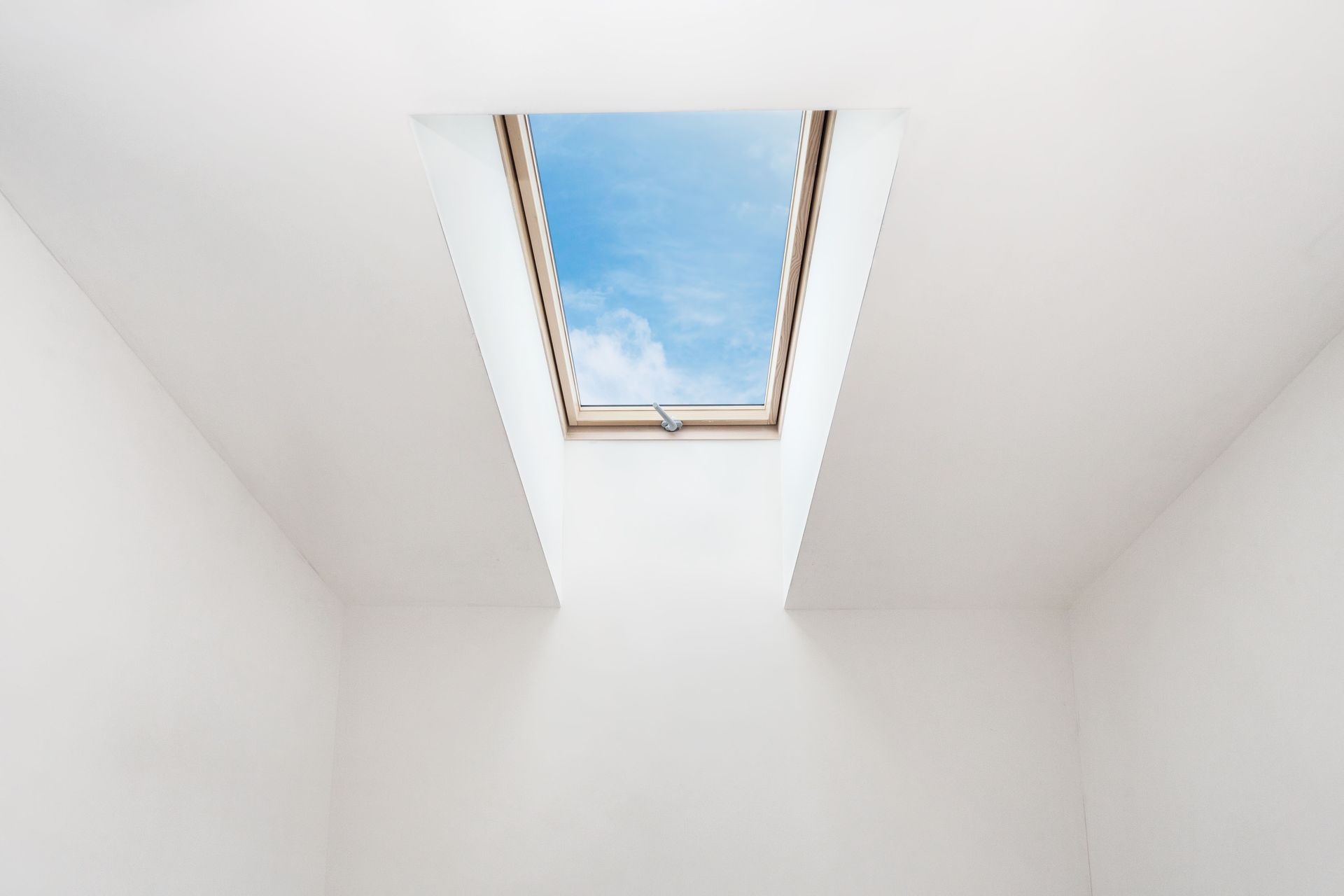
Ventilating skylights, also known as operable skylights, offer the added benefit of airflow alongside enhanced light. They can be opened manually or electronically, much like a window, to allow fresh air to circulate in the space. This feature is particularly useful in kitchens or bathrooms, where moisture build-up is common. Ensure that the design and placement allow for smooth operation without compromising weather resistance. Consider automated models that can be operated via remote control or smart home systems for added convenience.
Tubular skylights are a versatile option that can fit in spaces where traditional skylights cannot be installed. These skylights utilize a reflective tube to channel daylight from the roof into the room below, even through attic space. They are ideal for hallways, closets, and small bathrooms where natural light is desired but direct roof access is limited. Installation typically causes minimal disruption, and the units are energy-efficient. Their compact design allows for innovative lighting solutions in tight or oddly shaped spaces.
Compare Skylight Materials and Energy-Efficient Features
Choosing between glass and acrylic skylight replacement services involves weighing the pros and cons of each material. Glass offers superior clarity and resistance to scratching, making it a long-term investment. However, it is heavier and may require robust structural support. Acrylic skylights, while lightweight and cost-effective, are prone to scratches and yellowing over time. Consider the climate and exposure levels when deciding, as certain materials perform better under specific environmental conditions.
Modern skylights can feature energy-efficient coatings that enhance their insulation properties. Low-E coatings are popular for reducing the U-factor, which measures heat transfer efficiency. These coatings minimize heat loss while preventing excessive solar heat gain, improving comfort throughout the year. Another option is tinted coatings that reduce glare without sacrificing light transmittance. Consider the energy savings potential and environmental impact when selecting coatings for your new skylight.
The frame material of a skylight contributes to its overall durability and energy performance. Common materials include aluminum, wood, and PVC. Aluminum frames are lightweight and durable, often powder-coated for additional weather protection. Wood frames offer natural insulation but require regular maintenance to prevent rot and decay. PVC frames are low-maintenance and provide good thermal performance. Selecting the right frame material ensures longevity and compatibility with your home's roofing structure.
Determine the Ideal Skylight Size and Placement
Accurate measurements are crucial when selecting the appropriate skylight size. Improper sizing can lead to installation challenges and leak issues. Measure the roof opening, considering any existing framing that might need adjustment. Using precise measurements, consult with professionals to ensure the skylight fits well into the roof space. Remember that larger skylights may bring light but could also affect energy efficiency, necessitating the right balance.
Optimizing natural light is one of the primary goals of installing skylights. Assess the room's lighting needs for function and sunlight exposure. South-facing roofs capture light, while north-facing openings provide a softer, indirect glow. The right skylight placement can significantly influence interior ambiance and mood. Beyond aesthetics, adequate daylighting can reduce dependency on artificial lighting, offering energy savings.
Decide Between Professional and DIY Installation
Deciding between hiring a professional and undertaking a DIY installation requires assessing installation complexity. Consider structural modifications needed and the intricacy of integrating the skylight with existing roofing. Professionals can navigate these challenges efficiently, ensuring a secure, leak-free installation. However, experienced DIY enthusiasts may want to tackle straightforward installations themselves. Weigh the pros and cons carefully to determine the most suitable approach for your skill level.
The cost of skylight installation can vary greatly between DIY projects and professional installations. While DIY might eliminate labor costs, it increases the risk of error and potential repair expenses. Hiring a professional adds upfront costs but provides peace of mind and, often, longer warranties. Assess your budget and the value of professional expertise versus potential savings. Consult different skylight replacement service providers for a comprehensive understanding of cost implications and available skylight replacement services.
Enhance Comfort With Skylight Accessories and Automation
Blinds and shades can enhance the versatility and efficiency of your skylight. Adjustable coverings allow for precise light control, accommodating changing weather and privacy needs. Consider installing remote-controlled or automated systems for ease of use. Shades can also mitigate glare while providing additional insulation benefits. Match blinds or shades with interior decor to ensure aesthetic coherence in your space.
Automated ventilation systems provide convenience and improve indoor air quality when integrated with skylights. Sensors can automatically open or close ventilating skylights based on room temperature or humidity levels. This automation not only saves energy but also maintains optimal comfort in your home. Ensure systems are compatible with your skylight type and size for efficient integration. Seek professional guidance when selecting and installing such features to maximize potential benefits.
Replacing a skylight is a substantial investment in your home's comfort and efficiency. By carefully considering the factors outlined above, you can make an informed decision that ensures long-lasting satisfaction and enhances your living environment. Select materials and designs that match your lifestyle while providing the aesthetic appeal you desire. With proper planning, you can enjoy the benefits of natural light and improved energy efficiency in your home. Reach out to Skylights Over Texas to learn more about our skylight replacement services today.