November 24, 2026
Commercial buildings are increasingly incorporating natural light into their designs to create more inviting, functional, and energy-conscious environments. Skylights offer an effective way to bring daylight into interior spaces that might otherwise depend heavily on artificial lighting. Investing in professional skylight services allows business owners to transform their spaces with features that combine visual appeal and practical performance.
Bringing More Natural Light Into Commercial Interiors
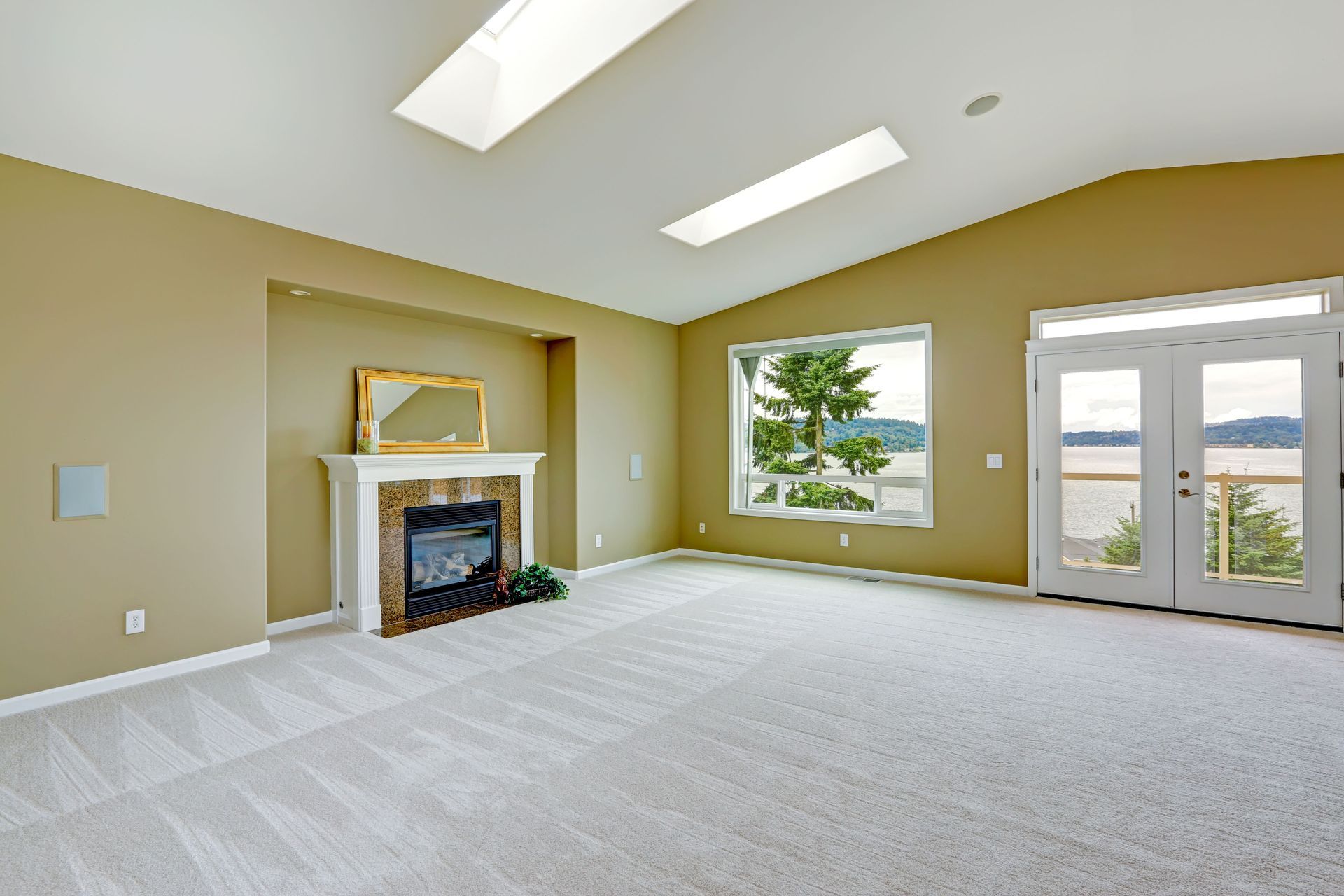
One of the most noticeable benefits of commercial skylights is their ability to introduce natural light from above. Traditional windows provide daylight along exterior walls, but their effectiveness can be limited in large buildings with deep floor plans. Skylights help address this challenge by distributing sunlight into areas that may not receive sufficient illumination through conventional windows. This can make open office layouts, retail floors, reception areas, and shared workspaces feel brighter and more welcoming.
Increasing natural light can also change how people experience an interior environment. Bright, comfortable spaces may feel more spacious and inviting to employees, customers, and visitors. Businesses can work with experienced skylight services providers to determine where daylight openings will have the greatest impact. Strategic placement helps distribute light throughout the building while accounting for the property's orientation, roof structure, and intended use.
Creating More Welcoming Retail Environments
Retail businesses rely on attractive environments to encourage customers to explore their stores and spend time browsing products. Skylights can contribute to this experience by creating a bright, open atmosphere that highlights merchandise and architectural details. Natural illumination can make displays more visually appealing while helping customers navigate different sections of the store. For businesses with large retail floors, skylights can also reduce the darker areas that sometimes develop toward the center of a building.
Modern skylight designs can complement a variety of retail aesthetics, from contemporary showrooms to neighborhood shopping spaces. Large overhead glazing systems can create dramatic visual features, while smaller installations provide focused illumination in particular areas. Retailers considering skylight services should evaluate how sunlight will interact with merchandise, shelving, and display materials throughout the day. Proper planning helps maintain comfortable lighting conditions while supporting the overall shopping experience.
Improving Comfort and Productivity in Office Buildings
The workplace environment can influence employee comfort, concentration, and overall satisfaction. Offices with limited daylight may feel enclosed, particularly when employees spend most of their working hours indoors. Skylights offer another source of natural illumination that can help create a more pleasant atmosphere. By bringing daylight into conference rooms, common areas, and interior workspaces, businesses can make their offices feel more connected to the outdoors.
Natural light can also contribute to a more visually comfortable environment when it is properly managed. Glazing options, shading systems, and thoughtful placement can help control brightness and reduce unwanted glare on computer screens. Businesses planning office renovations should consider how skylight services can complement existing windows and lighting systems. The goal is to create a balanced environment that supports daily tasks without introducing excessive heat or uncomfortable light levels.
Enhancing Restaurants and Hospitality Spaces
Restaurants, hotels, and other hospitality businesses benefit from interiors that create a memorable experience. Skylights can add architectural interest while introducing natural illumination that makes dining rooms, lobbies, and lounge areas feel more inviting. A restaurant with overhead glazing may feel more open and relaxed during daytime hours, while a hotel lobby can use skylights to establish a bright, impressive first impression for arriving guests.
Design choices should reflect the atmosphere each business wants to create. A large skylight above a dining area can become a defining architectural feature, while smaller openings can provide subtle illumination throughout a space. Hospitality properties must also consider privacy, temperature control, and lighting conditions at different times of day. Professional skylight services can help property owners select suitable designs and glazing materials that complement the building's appearance and operational requirements.
Supporting Energy Efficiency Through Better Daylighting
Commercial buildings often require substantial artificial lighting to illuminate large interior spaces. Skylights can help reduce dependence on electric lighting during daylight hours by allowing sunlight to serve as an additional source of illumination. When incorporated into an effective building design, this can contribute to lower lighting-related energy consumption. Businesses may also find that daylighting helps create a more comfortable environment without requiring every interior area to rely entirely on overhead fixtures.
However, energy performance depends on more than the amount of sunlight entering the building. Skylight glazing, insulation, ventilation, and overall roof design all influence how the system performs. Modern products offer features such as low-E coatings and insulated glazing that can help manage heat transfer. Property owners should discuss these considerations with qualified skylight services professionals to identify solutions that balance natural illumination with the building's heating and cooling requirements.
Exploring Modern Skylight Styles and Configurations
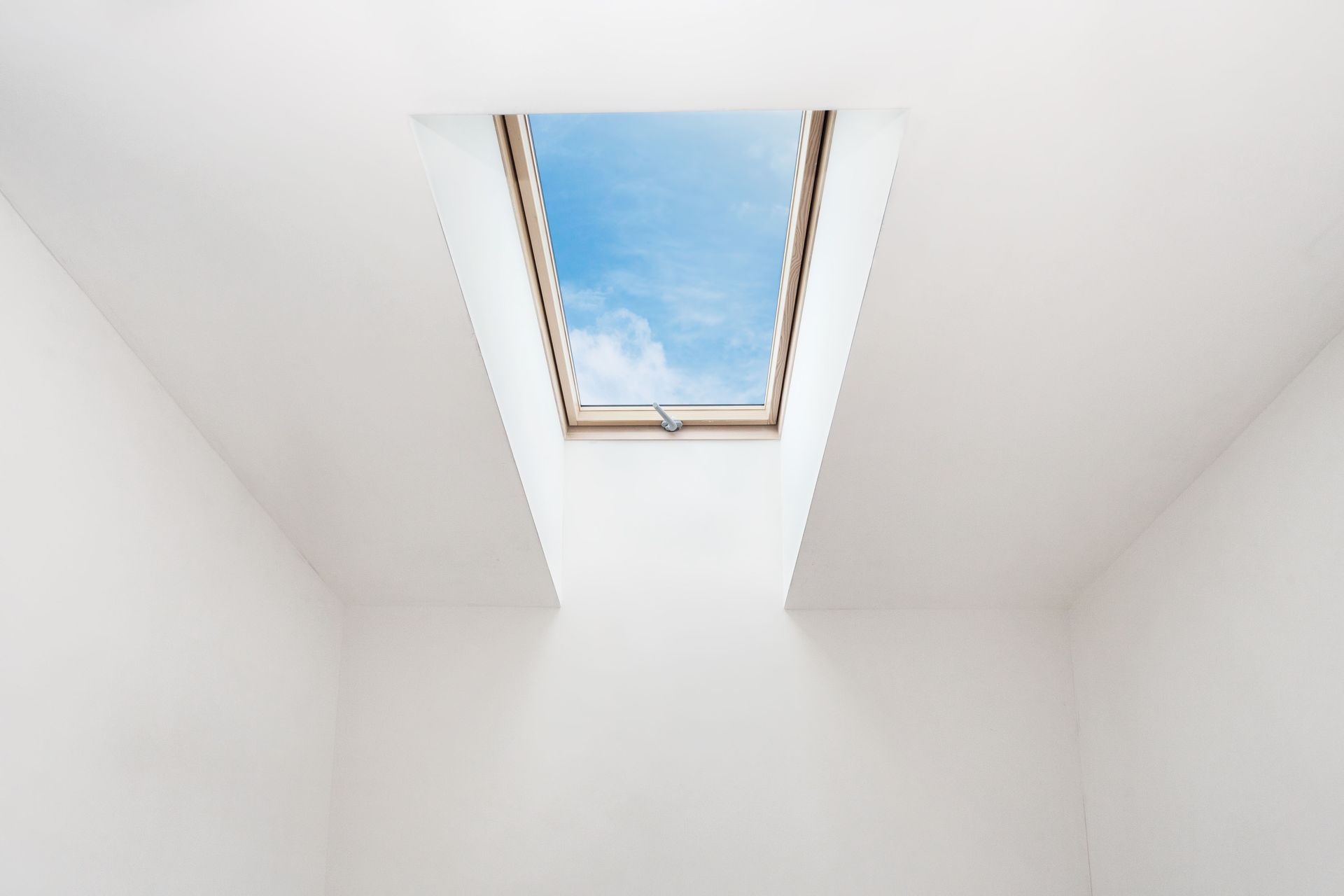
Commercial skylights are available in several configurations, allowing building owners to choose designs that complement their architecture. Fixed skylights are designed to provide natural light without opening, making them suitable for areas where ventilation is not a primary concern. Operable skylights can open to allow fresh air into the building, offering an additional benefit in spaces where natural ventilation is desirable. Tubular skylights provide another option for smaller areas, directing daylight through reflective tubing into interior rooms.
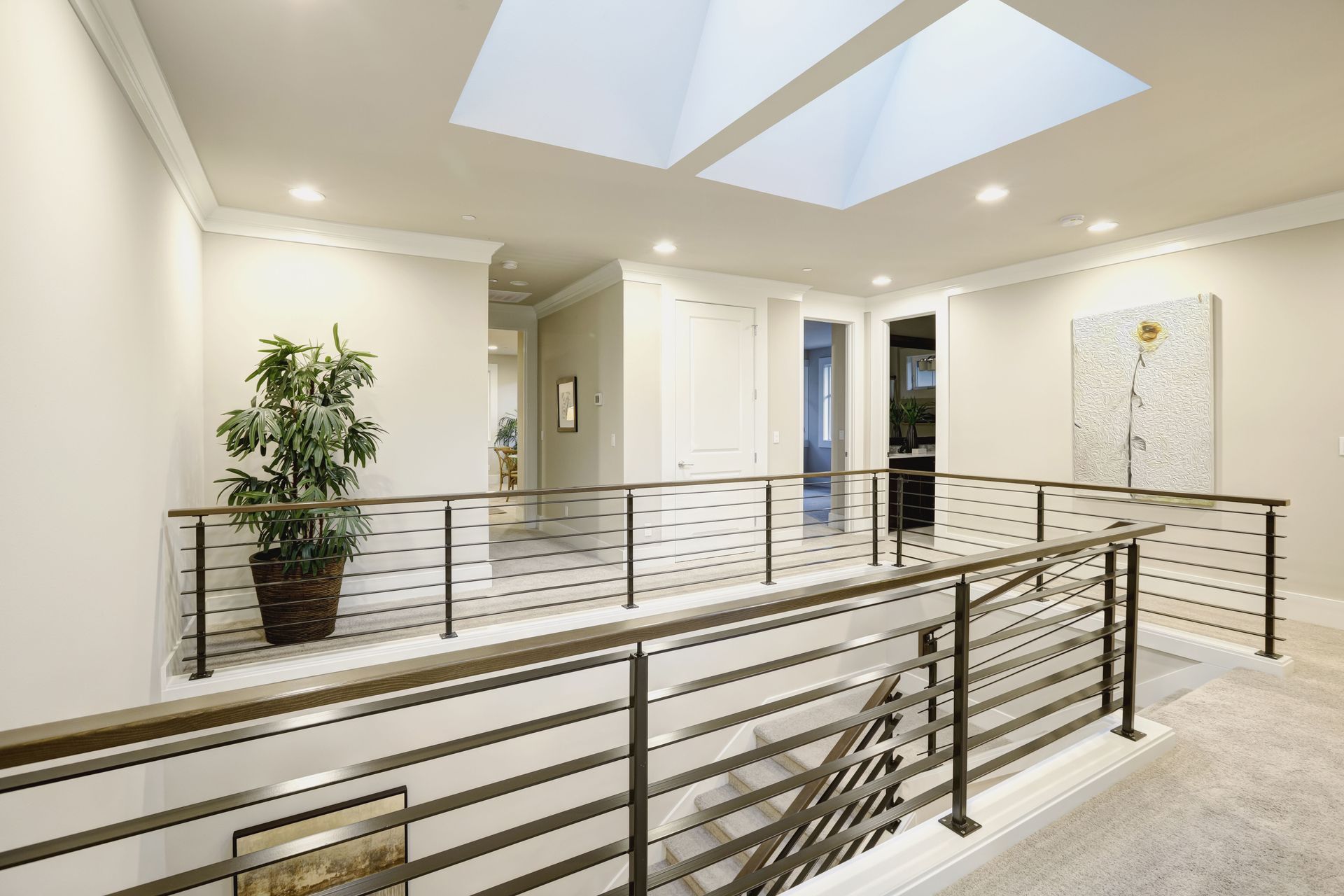
For larger commercial properties, expansive roof glazing and multiple skylight installations can create dramatic architectural effects. These systems may be arranged in rows, geometric patterns, or other configurations that complement the building's layout. The best option depends on the available roof space, structural requirements, and intended use of the interior. A professional skylight services provider can evaluate these factors and recommend a design that integrates naturally with the existing structure.
Adding Architectural Character to Commercial Buildings
Beyond their functional advantages, skylights can become distinctive architectural features. An overhead glass installation can create an impressive focal point in an entrance, atrium, or central gathering area. Natural light can also highlight ceiling details, interior finishes, and decorative elements that might otherwise go unnoticed. For businesses looking to modernize an older property, adding skylights can help create a more contemporary appearance without completely changing the building's layout.
Design flexibility makes skylights suitable for a wide range of architectural styles. Minimalist commercial buildings may benefit from clean, unobtrusive glazing, while larger facilities can incorporate expansive overhead systems. The relationship between the skylight and the surrounding roofline is especially important. Experienced skylight services professionals can help ensure that the installation complements the building's design while addressing structural support, weather protection, and long-term functionality.
Choosing Materials That Support Long-Term Performance
Material selection is an important part of any commercial skylight project. Glazing may be manufactured from different types of glass or durable plastic, each offering distinct advantages. Glass is often selected for its clarity, appearance, and range of available performance features. Certain glazing products can help reduce ultraviolet exposure, limit heat transfer, and manage glare. Plastic glazing materials may offer benefits in specific applications where weight, impact resistance, or design flexibility is important.
Frames and flashing components also play an essential role in the overall system. These materials must be appropriate for the building's roof configuration and environmental conditions. Proper sealing and installation help protect against moisture intrusion while supporting the skylight's structural integrity. According to This Old House, skylights can last anywhere from eight to 20 years. Selecting quality materials and arranging appropriate maintenance can help commercial property owners protect their investment. Reliable skylight services should include careful attention to material compatibility and installation details.
Investing in quality skylight services can help transform an ordinary commercial interior into a brighter, more comfortable, and visually appealing environment that serves employees, customers, and visitors for years to come. Contact our team at Skylights Over Texas today to get started.